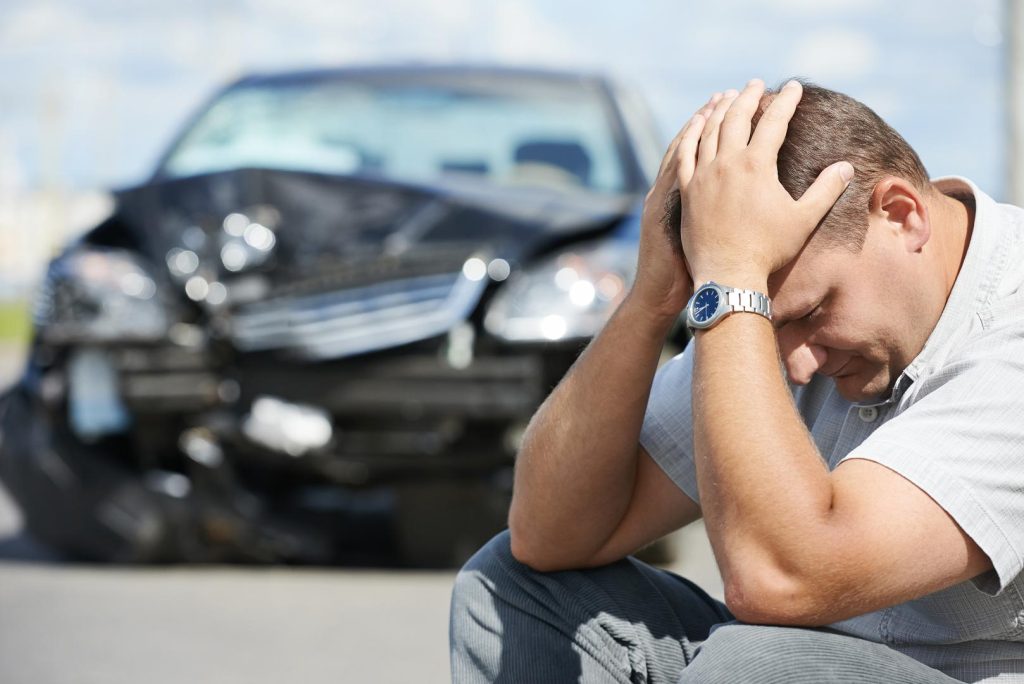
A car accident can be a traumatic experience, especially when it is your fault, or appears to be so. Even if the incident was not your fault and you have no reason to feel ashamed, it can still be a very anxious time for you. Whether the accident was your fault or not, there are many practical and legal implications that you need to understand and address as soon
as possible. The stress of being involved in an accident can make it challenging to think clearly about all of your options. If you’re an SF resident who recently experienced a non-fatal car accident that wasn’t your fault, this blog post will help you understand what to do next. A free consultation with an experienced car accident lawyer in San Francisco might just be what you need right now.
The 2 most important things to do after a car accident
First, and most importantly, you need to get medical attention. Even if you don’t feel that you’ve sustained any injuries, you may have suffered internal injuries that don’t immediately show signs of damage. A doctor can help you ascertain this and make sure you receive the correct treatment. If you have sustained injuries, the sooner you get them
checked out, the better. This will help you avoid complications and make sure you don’t miss out on any important deadlines relating to your claim. It’s also important to take photos of any visible damage to your car as soon as possible. This will help you remember what your car looked like before the accident and make it easier to file a claim later.
Report the accident to the police and get a police report
If you have a non-fatal car accident in the San Francisco area, you need to report it to the police and get a copy of the police report. Your car insurance company will ask for this, so it’s a good idea to get it as soon as possible. The accident report will be extremely helpful for your insurance claim, and it will also show that you were cooperative and responsible by
reporting the incident right away. If your accident was the other driver’s fault and you were not at fault, then you need to get a copy of your own car insurance policy. This will help you later if you need to file a claim. If you were at fault, then you will need to file a claim right away, regardless of whether the other driver is planning to file. If you don’t file a claim, your car insurance company may cancel your policy.
Check on the well-being of everyone involved
First, check on your passengers and other people in your car. Make sure that they did not suffer any injuries as a result of the accident. If they did, get them medical attention immediately. Next, check on the other driver and passengers. Make sure that they are not
seriously injured and that they have received sufficient medical attention as well. If someone needs additional medical treatment, try to take them to the nearest hospital as soon as possible. You may also want to check on the other driver’s car to see if it is drivable or not. If not, make sure that the car is not obstructing any nearby roads, and that it is not a hazard to other drivers.
Exchange contact information
Make sure that you exchange contact details with the other drivers and passengers involved in the accident. This will make it easier to get in touch with them later if necessary, and it will also help with any insurance claims that need to be filed. Most
importantly, it will make it easier to check on the other people’s well-being and make sure they get the necessary medical attention. If you were driving someone else’s car, the same applies. Exchange contact details with the passengers in your car so they can follow up with you if necessary.
Check for evident damage and take photos of your car
If you have sustained any damage to your car, check for damage as soon as possible. This will make it easier to file a claim later. Be sure to take photos of all evident damage for your records. If your car is drivable, but you think it is too damaged to drive, park it legally as soon as possible. If you believe that the damage to your car is severe, but you can still
drive it, call a towing company and have your car towed to the nearest repair shop. This step is especially important if you sustained any damage to your car, or if you were driving someone else’s car. You don’t want to risk getting pulled over and having your car impounded.
Conclusion
The aftermath of a car accident can be stressful and confusing. After an accident, it’s important to follow certain procedures in order to protect your rights. If you’ve been in a non-fatal car accident and weren’t at fault, report the accident to the police, get a copy of
the police report, exchange contact information with everyone involved, and take photos of your car. This will make it easier to file an insurance claim and will help you avoid fines or citations as a result of the accident.